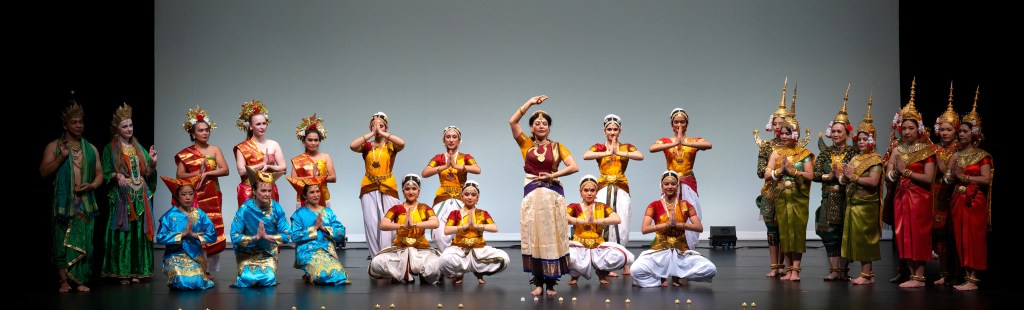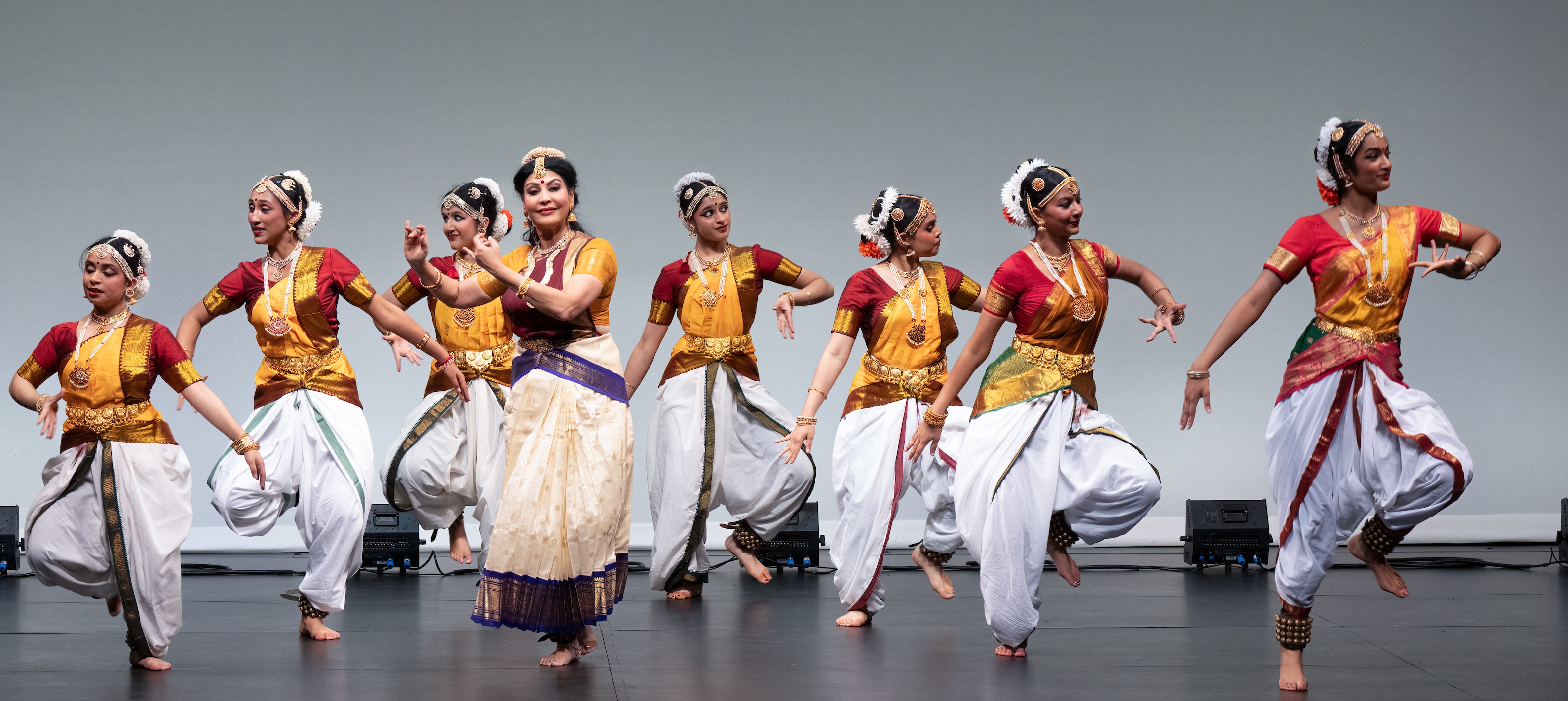
Bringing together Cambodian, Indonesian, Indian, and Nepalese traditions, Shadows From Within was a collaborative performance that showcased cultural clothing and dances from across South and Southeast Asia. The show was presented by Rasika, an organization whose mission is to promote Indian arts and culture, and it was brought to life by one of the Pacific Northwest’s most esteemed Indian classical dancers and scholar, Jayanthi Raman. The performances ranged from serene to energetic, but they also shared several characteristics that are common across South and Southeast Asian dance traditions. These themes include intricate hand movements, connection to spirituality, and a focus on rhythm.
It was clear that in these cultures, dance was more than a fun way to move one’s body; it was a practice to connect with the divine. Many of the performances had ceremonial or religious roots, often honoring certain spiritual figures or embodying sacred values. The opening dance, performed by members of the Indonesian Performing Arts of Oregon, originates from Sumatra and is typically performed at the beginning of ceremonies to welcome the guests. Adorning the three female dancers’ light blue robes are diagonal sashes and gold earrings, heads, and bangles. Their headdress is made of red and gold cloth fashioned into two traffic cone-shaped horns on both sides of their head to imitate a buffalo, an important animal in Minangkabau culture. “Tep Monorom,” which translates to “The Dance of Heavenly Gods and Goddesses for Happiness,” is a Cambodian dance that depicts the joy of deities while promoting friendship and prosperity.
Dancers from the Cambodian Dance Troupe of Oregon, clad in vibrant, earthy colors and gold accessories, moved in pairs and held each others’ hands as a gesture of support, and towards the end of the dance, created a rhythm with the bottoms of their feet and ankle bells. “Arya Tara Amogasiddi” was a duet from the Nepalese tradition that represented mutual respect and harmony between goddess Arya Tara and Buddha Amoghasiddhi. Garbed in green to represent skillful action, the dancers moved in a stately fashion, displaying delicate and precise hand gestures and taking turns honoring each other. The coins on their clothing, which resemble the coins in belly dance costumes, created a gentle, shimmery sound as they moved. The second dance from Nepal was “Vajrasattva,” which represents the state of enlightenment. It was a solo performed by the Venerable Prajwal Ratna Vajracharya dressed in a white scarf and white pants. Holding a bell upside down, he rang a bell intermittently, while moving across the stage and offering it as a symbol of inner awakening. The performance for this specific dance ran quite long; the audience started getting antsy and distracted by the end.
The dances performed by Raman and her dance company (JRDC) were particularly captivating. Eye-catching formations, expressive dancers, and a commitment to storytelling made their performances enthralling and memorable. “Padam” opened with a narration extolling Lord Krishna, a Hindu deity, and one of JRDC’s dancers “translated” the spoken word into movements. When the narration transitioned into music, Raman entered the stage, searching for something all around the stage. As she wandered, she encountered a flutist, several bowl-carrying merchants, and even a peacock! These fun cameos were performed by her dance company members. The theatrical nature of the performance and the energetic dance style made it truly delightful to witness.
Bringing together dances from various cultures, the evening was a unique collaboration that offered a glimpse into the rich traditions of ceremonial dance in South and Southeast Asia. Some of the acts were more engaging than others, but overall, it was an enjoyable evening of vibrant costumes, spiritual honoring, and storytelling.