Featured in the 2023 San Diego Asian Film Festival lineup, How to Have an American Baby by documentarian Leslie Tai is a deep dive into the industry of maternity hotels, told through the stories of several pregnant Chinese women who come to America with the hopes that their children will begin their lives in the land of opportunity. Tai tackles a complex and sensitive topic by centering the story on the voices of her subjects, and her ability to communicate in their native language of Mandarin helps the women feel at ease when talking about their innermost thoughts on camera. Rather than pushing a moral agenda onto her audience, she lets their experiences speak for themselves. Additionally, Tai’s incorporation of steady b-roll of mundane objects in the women’s lives–an assortment of dishes stacked on the counter or a cup rotating in the microwave–lends a quiet, slice-of-life aspect to the documentary, and we as the audience are able to observe their lives closely as if we were flies on the wall.
Most of the footage was filmed in the mid-2010s and centers around one of the many maternity hotel businesses in the San Gabriel Valley of Southern California. Tai excels at showing the lives of the women who choose to stay at these hotels in a non-judgmental light, giving them a safe space to relay their stories on camera. At the same time, she reveals insights about the broader economy of maternity hotels by including the perspectives of managers, employees, and even the residents of the communities where the hotels are run. The maternity hotels all host expecting mothers during the last trimester of their pregnancy, providing them with the coveted opportunity to establish their children’s lives in America. Packages for these hotels include boarding and meals for three months and cost upwards of $40,000 USD, not including hospital bills which can rack up thousands of dollars more without health insurance. Staying at a maternity hotel is a luxury only the wealthy can afford, and even then, most of the women must face the hardship alone while their husbands continue earning money for the family back in China.
The primary maternity hotel featured in the documentary hosts women in neighborhoods across the valley, and the particular household we see in the film is home to about half a dozen women, all in the final few months of their pregnancy. Considering the lonely nature of their situation, it’s reassuring to see the camaraderie amongst the women, and these scenes of bonding are some of the few lighthearted moments in an otherwise solemn film. These women live together, eat together, and even go out together under the guidance of a chaperone who shuttles them around on field trips to enjoy the fresh air or to buy baby products in preparation for their newborn. On one trip to the beach, the women discuss their experiences getting into the US, with some noting that they chose to fly on non-Chinese airlines because they heard they would be less likely to be deported upon arrival. Conversations such as these are a stark reminder of the risks they are willing to take, boarding a 10+ hour international flight without knowing for certain whether they will even be admitted into the country.
The San Gabriel Valley, touted for its nice weather and safe neighborhoods, is an exemplar of suburban American life and a prime location for these maternity hotels. In one scene, a real estate agent describes a neighborhood as having “high quality” residents. However, not all the residents are accepting of the maternity hotels. Tai showcases two community meetings where participants express their fear and disdain for the newcomers. There is a clear undercurrent of xenophobia in these discussions, with most of the disparaging remarks coming from older, white individuals. One man vehemently argues that the United States should get rid of the 14th amendment, which automatically grants citizenship to those born on US soil, so that immigrants will be dissuaded from coming to have “anchor babies.” While we never see interactions between the community and the maternity hotels, Tai’s inclusion of these comments from the neighbors hints at the tension between the two groups.
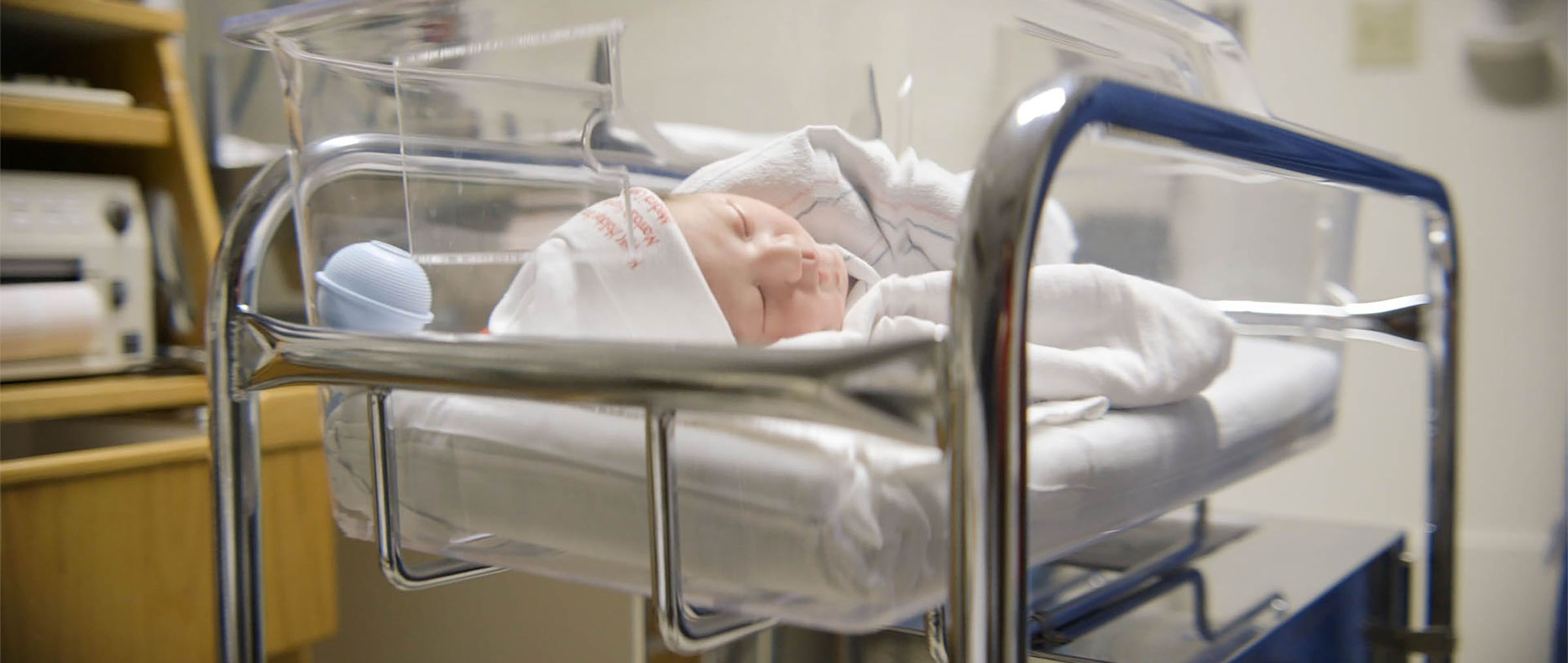
While the first half of the film follows the pregnancy phase of the maternity hotel experience, the second half delves into what happens when it’s time for the women to give birth. At this point, complications and risks can arise at a moment’s notice. While the maternity hotels work with some clinics and hospitals directly, not all the medical professionals speak Mandarin and the language barrier causes additional anxiety for the women. Some of the women become visibly more nervous and fearful as their due dates draw near, especially when news spreads about a woman from another maternity hotel whose baby died due to complications during the delivery process. Tai doesn’t shy away from putting a real birth scene on full display (although the NSFW areas are blurred out), fully conveying the distress the mother feels during the painful process. As a director, Tai intentionally remains outside of the metaphorical frame for most of the film, but at one point, the fourth wall is broken when a nurse comes rushing in to ask Tai if she can translate for another Chinese mother down the hall whose baby is in critical condition. While the mother whose birth we are following is able to celebrate after an arduous yet successful delivery, we find out, along with her, that the other baby did not make it.
One woman in the documentary that Tai gives particular attention to is Lele, the woman at the other maternity hotel whose baby died soon after birth. The interviews with Lele occur not too long after her traumatic experience, and it’s difficult to watch her speak about her experience while still on bedrest and in her grieving period. Her story highlights how emotionally and physically exhausting it must be for these women to undergo one of life’s most difficult experiences while in a foreign land, without their loved ones at their sides and barely able to understand the language or communicate. Lele talks about why she decided to join the maternity hotel, summing it up succinctly: “Every mom is thinking about what’s best for her child’s future.” It’s gut-wrenching to hear her describe how, although she suspects the hospital of malpractice, the doctors aren’t able to give her closure and explain what went wrong. Moreover, her maternity hospital provides no support in the aftermath, isolating her from the other residents for fear of tainting their image.
While maternity hotels are not inherently illegal, How to Have an American Baby does pose the moral quandary of whether these businesses are actually providing a benefit for women in pregnancy or undermining the value they allegedly provide by running as a purely money-making machine. One small maternity hotel business, managed by a Chinese husband-and-wife team, runs into issues when a residence they had rented out gets broken into when no one is home. The couple debate what they should do next — try to find another place to relocate their client or hope that another break-in doesn’t happen. While they do consider the safety of the mother, they also discuss the possibility of losing a valuable customer or bringing a bad reputation to their business. In another scene, a maternity hotel employee who delivers food to the women advises his trainee not to get too emotionally close to their clients because they’ll become needy and ask them to bring more items. Towards the end, we see an even more corporate side of the maternity hotel industry, with sales representatives pitching their maternity hotel services during a seminar and promising a $4,000 discount if attendees sign that day. In a world where maternity services are monetized to such an extent, it’s easy to lose sight that what is actually being sold is, in a sense, opportunity and freedom. While the women who opt for maternity hotels may be aware of the monumental costs and risks, as future mothers they are willing to do whatever it takes to provide their children with the best life possible.