Iranian director Jafar Panahi does not hold back from criticizing his country’s government, weaving political commentary into his 2025 film, It Was Just an Accident. Once imprisoned together for their protest demonstrations, the film centers around a group of rebel civilians, who abduct the man who once held them captive and argue over what they should now do with him. Balancing dark humor with heartwrenching conflict and a profound perspective on what it means to be the bigger man, the film is highly acclaimed by critics, having received the Palme d’Or at the Cannes Film Festival and a nomination for the upcoming Oscars.
It Was Just an Accident seems to follow a typical revenge arc at first, but as the plot unfolds, it becomes apparent that the story is less about vengeance and more about humanity. Vahid (Vahid Mobasseri), a bumbling mechanic, realizes a customer at his shop has the same unmistakable gait as Eghbal, an intelligence officer with a prosthetic leg who once tortured him in prison. Vahid proceeds to follow and kidnap him but is uncertain whether the man is really Eghbal since the prisoners had all been blindfolded during their captivity. He ropes in three others to help him figure out what to do next, resulting in a ragtag group of former political dissidents driving around the city with a man’s fate in their hands.
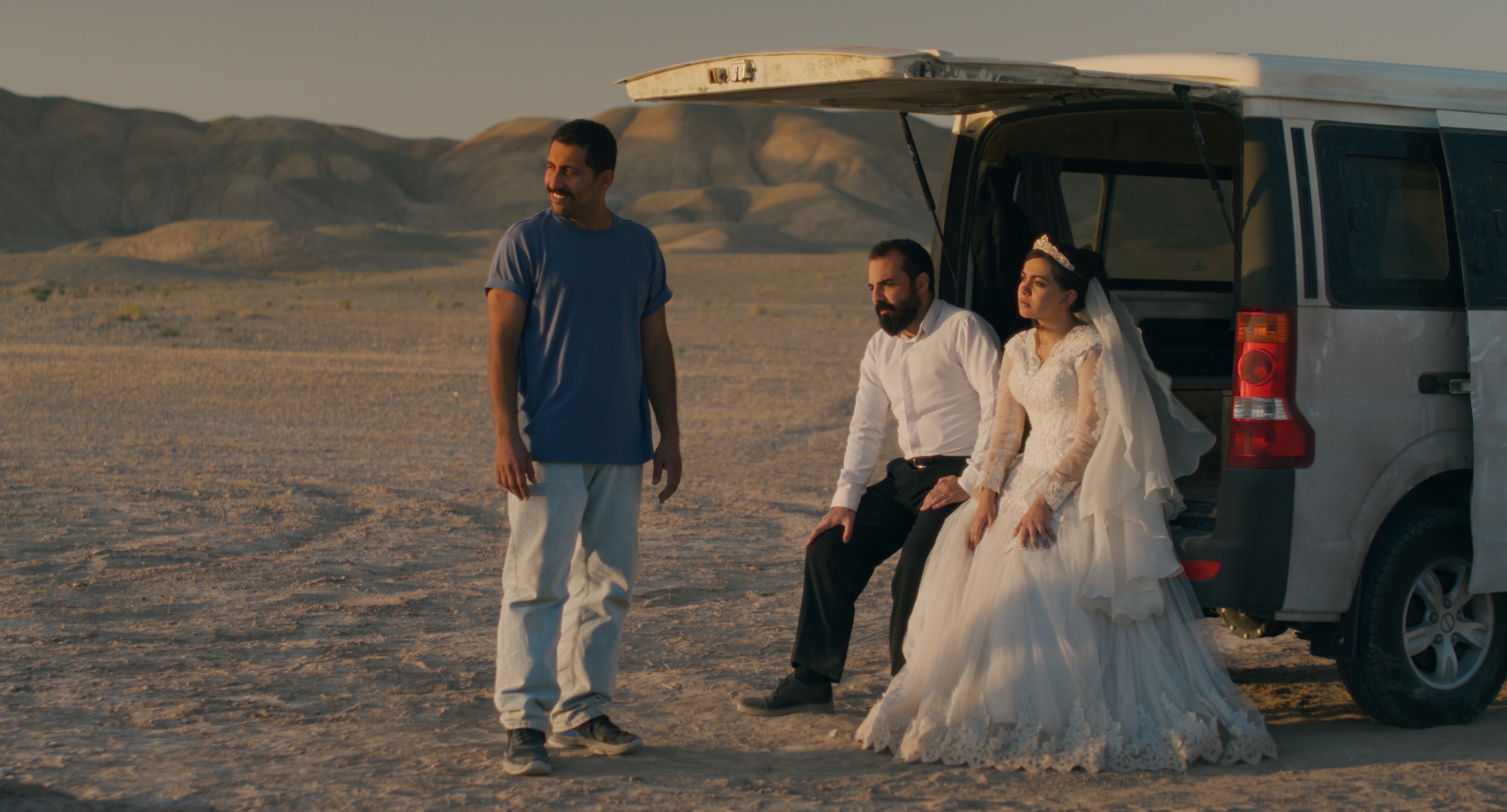
For the group, merely seeing him suddenly show up in their lives after they’ve moved on from their past triggers a post-traumatic response. Goli (Hadis Pakbaten) is a young woman who is about to be married the next day but she can barely control her anger when Eghbal enters the picture. She drops all wedding festivities to take her and her husband-to-be along on the kidnapping adventure. Each person’s inclination toward violence and opinion on what they should do with Eghbal differs, with the most level-headed being Shiva (Mariam Afshari), a photographer who, while just as angry as the rest, has doubts about executing him. Hamid (Mohamad Ali Elyasmehr), a former associate of hers, immediately wants to kill the man, and she admonishes him, “You’re confusing the individual with the system.” Shiva believes Eghbal is just a symptom of a corrupt government and recognizes that killing him will be of no benefit in the grand scheme of fixing the injustices enacted by the government.
Evidence of corruption and ambivalence is abundant in the film, from the policemen accepting bribes to the hospital admin refusing to admit a woman in labor without an ID. This film explores what it means to be human by showing the conflicting emotions and actions of people who want to do good, yet simultaneously desire revenge and justice. Nowhere is this more evident than the sequence where Vahid comes to the aid of the daughter and pregnant wife of his abductee, driving them to the hospital and buying gifts to congratulate her delivery of a son. The irony of the kidnappers being the most empathetic characters, despite the horrors they have endured, must be noted. Although there are no flashbacks to their time in prison, the main cast sells their performances convincingly and seeing the outrage and grief that bubbles up for these individuals when the fate of their oppressor is finally in their hands underlines the horror of what they experienced.
The first scene in the film takes on a new meaning when viewed in comparison to Vahid and Shiva’s final confrontation with Eghbal. In the opening sequence, a man is driving with his wife and daughter down a road at night. He accidentally runs over a dog, and after inspecting its injuries, he shoots it dead. The mother remarks to their fraught daughter that when something like this happens, it’s because it was meant to happen to put them on a path. We learn later that the man is Eghbal, and his wife’s words during this incident did indeed send them down a serendipitous path, placing Eghbal in Vahid’s garage later that night. In one of the final scenes, Eghbal’s echoes this notion of predestination when he justifies his actions of torture to Vahid and Shiva, stating that if they were guilty then they deserved it, and if not then they’ll go to heaven. The idea of accidents being part of the universe’s plan is challenged by the actions of the protagonists who take matters into their own hands and refuse to continue to be captives of their past. When Vahid and Shiva ultimately decide to let Eghbal live, even as their torturer shows no remorse and claims he would do the same things all over again, it is a testament to their integrity. “It was just an accident” is no longer a phrase said to absolve one of any consequences. Vahid’s decisions show that it is how you respond to the uncontrollable events in your life that demonstrates who you really are.