Warning: This review contains spoilers.
Directed by Baatar Batsukh, Aberrance is the first Mongolian horror film to screen in movie theaters across North America. The story follows a man and woman as they move into a cabin in the Mongolian wilderness, with a middle-aged man as their neighbor. While the plot seems basic at first, the movie is full of twists and turns that keep the audience wondering just who the characters really are.
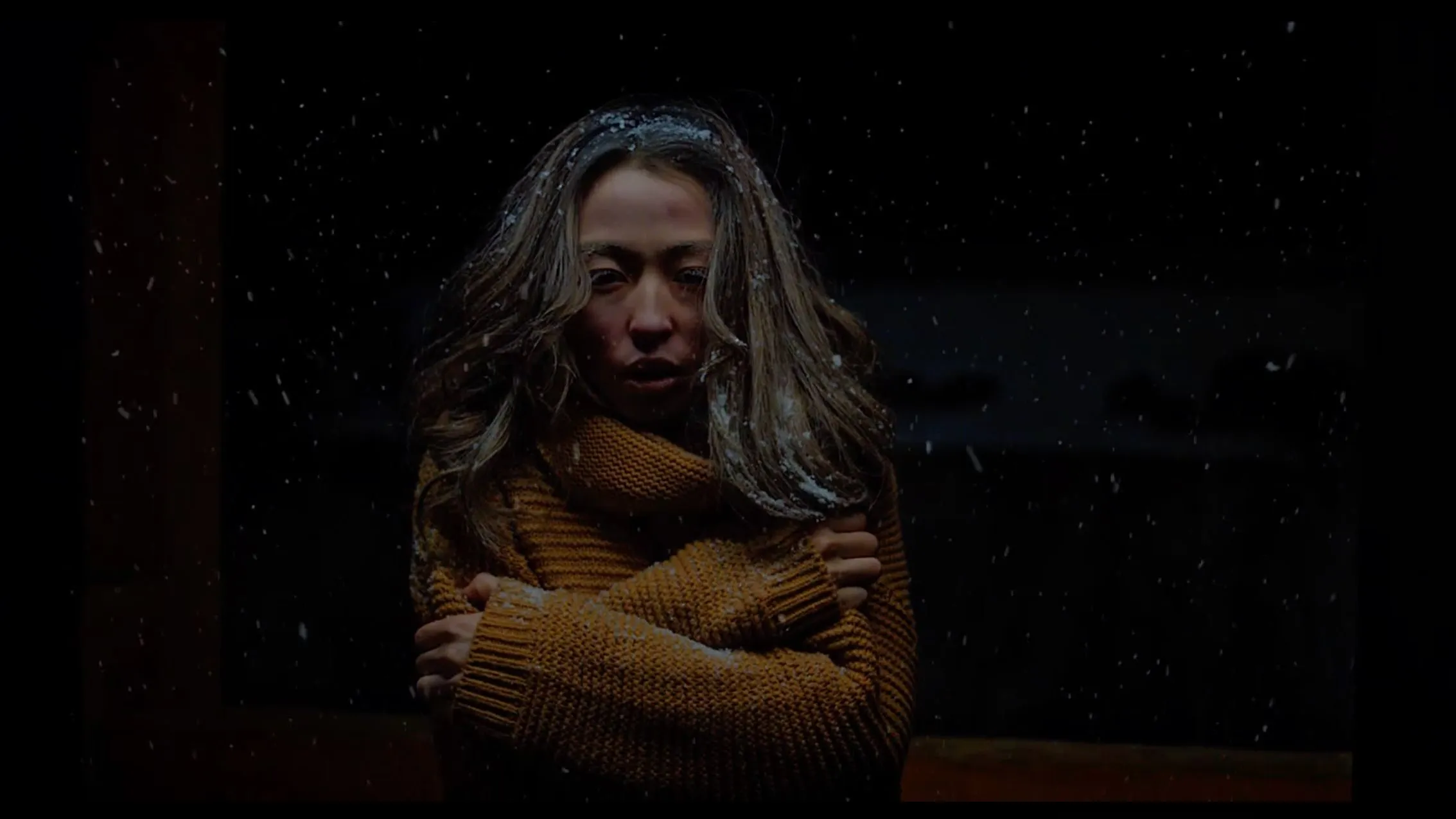
In the opening scene, we meet Erkhmee and Selenge, a man and woman in a car driving towards their new home in the wintery forests of Mongolia. It’s unclear who they are to each other at first, but it’s obvious there’s a power imbalance between the two; Selenge appears sullen and quiet while Erkhmee is tough and commandeering. As we watch the two settle into their new home, we wonder if Selenge is being held hostage by Erkhmee as we see her giving him the cold shoulder, resisting his efforts at conversation, and even attempting to escape at one point. Erkhmee forces her to swallow several pills, even grinding them up and slipping the powder into a soup when she refuses to take them herself. We also observe their relationship from the point of view of the neighbor, a lonesome man who suspects that Erkhmee is physically harming Selenge.
The grating relationship between Erkhmee and Selenge is highlighted by the way their scenes together are portrayed. In one scene, the camera appears to transition abruptly from one character to another, accompanied by a screeching sound, and the two characters each stare into the camera intently. During Selenge’s dream, the entire sequence is shown tinted in red as if drowning in blood. The unique cinematography and camerawork can be attributed to Batsukh’s training as a cinematographer, having worked on award-winning films like The Steed. In Aberrance, the dramatic transitions and artistic decisions help indicate a sense of foreboding but sometimes feel over-the-top, especially compared to modern horror films that tend to go for a more subtle, nuanced approach.
The second half of the film is when the twists begin to snowball, one after the other. It’s revealed that Selenge is actually suffering from mental health issues as a result of her pregnancy, and Erkhmee, as her husband, is heeding to a doctor’s orders to take care of her in the isolation of the cabin and feed her pills. Just when you think the biggest reveal has occurred, the neighbor turns out not to be the harmless man he pretends to be. It’s at this point that the film becomes more of a thriller, with foot chases and bloody deaths, deviating from the quieter tone of the first half of the film.
Aberrance ends in a way that suggests that Erkhmee and Selenge were just one of many couples who fell victim to a larger evil. Seeing as the story started with the two of them and focused on their relationship for the better part of the one-hour-and-fifteen minute runtime, it would’ve been more compelling to have explored their interactions with each other in greater depth rather than veer off into an out-of-left-field twist. Overall, Aberrance had its moments when it felt like a new and interesting take on what horror movies could be, but the writing and confusing plot could leave viewers with more questions than answers by the end.